
1990
Eine Begegnung, die alles verändert
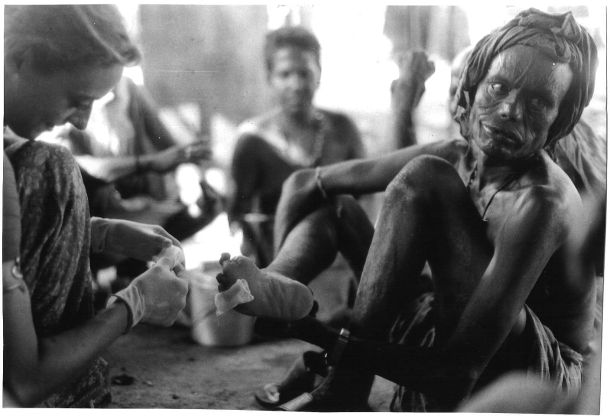
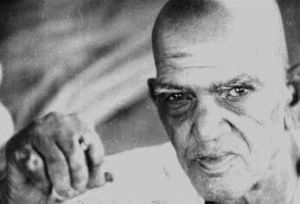
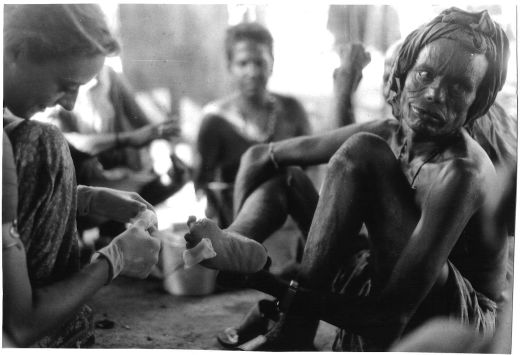
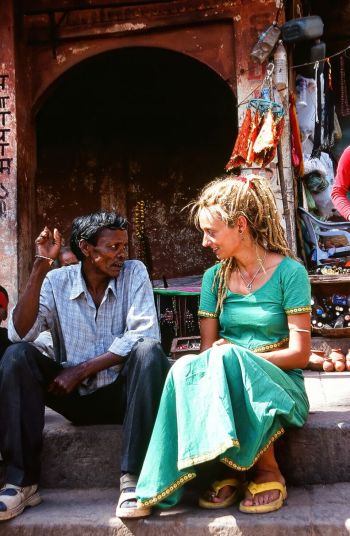
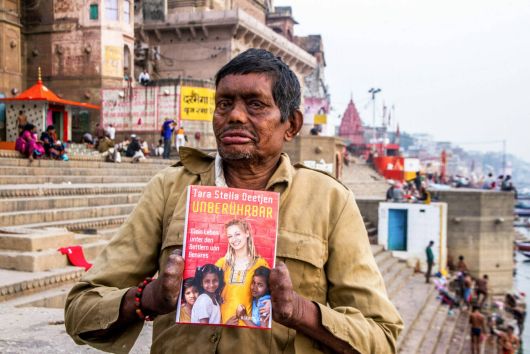
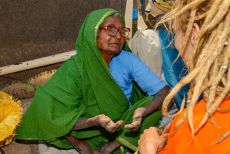
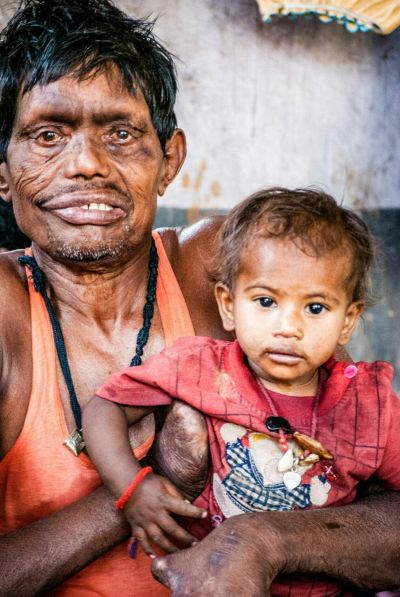
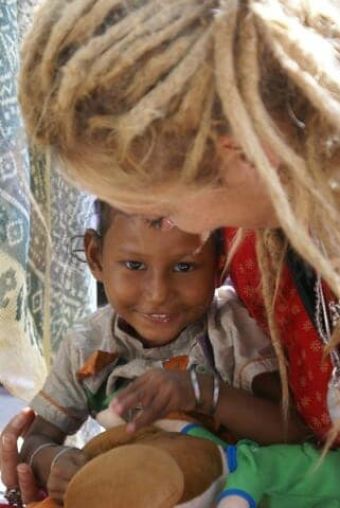
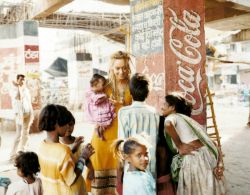
Der Ursprung von Back to Life liegt in dieser besonderen Begegnung vor über 25 Jahren: Stella trifft Anfang der 1990er den leprakranken Musafir in Varanasi, Indien. Sein Schicksal und das der anderen „Unberührbaren“ bewegt sie so sehr, dass sie ihr Fotografie-Studium in Rom sausen lässt und eine provisorische Straßenklinik für die Leprahilfe vor Ort aufbaut – mit nur 100 Dollar Startkapital. Nach zwei Jahren Lepra-Therapie gelten die ersten Leprakranken als geheilt, unter ihnen Musafir. Spätestens jetzt ist klar: Stella ist gekommen, um zu bleiben. Die Projekte der medizinischen und sozialen Hilfe weiten sich aus, die Vision: Leprakranken „zurück ins Leben“ zu verhelfen. Freunde und Familie aus Deutschland gründen im Jahr 1997 den gemeinnützigen Verein Back to Life e.V.
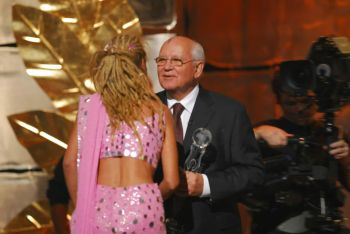
2006
Women’s World Award
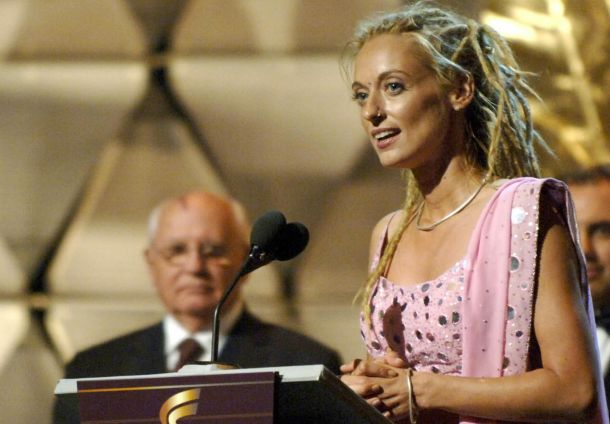
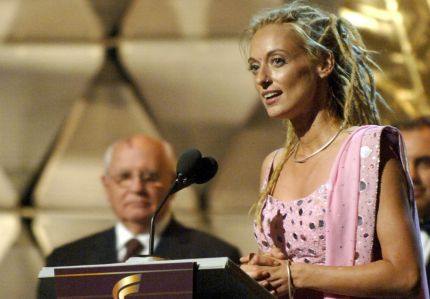
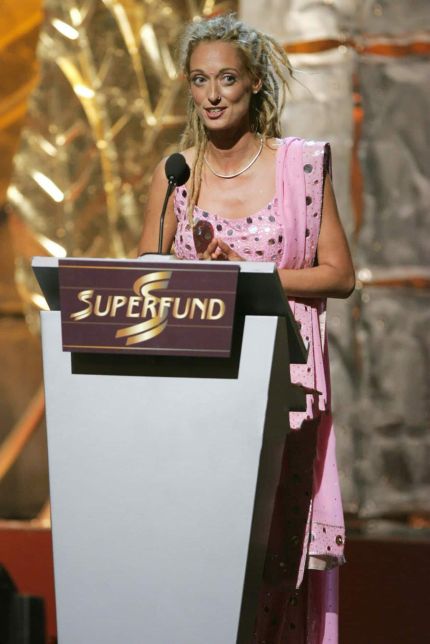
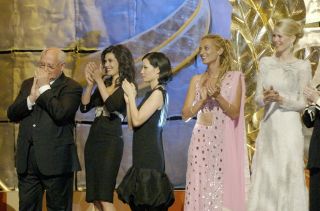
Für ihr Engagement im Kampf gegen Lepra erhält Stella 2006 den Women’s World Award of Hope. Überreicht wird der Preis bei der Verleihung in New York City durch Michail Gorbatschow, der ihn mit ins Leben gerufen hat.

2003, 2015, 2017
Die ersten Jahre: Perspektiven schaffen
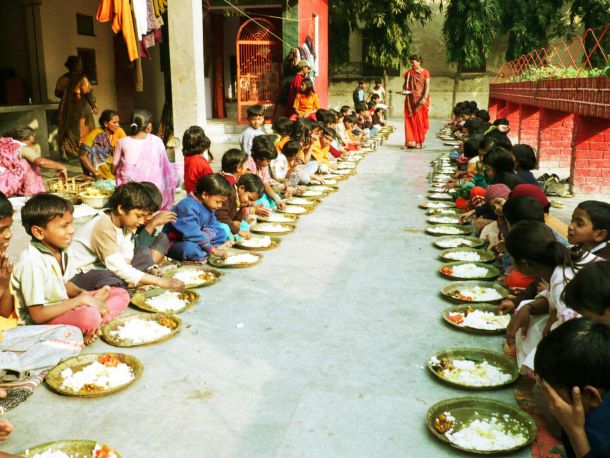
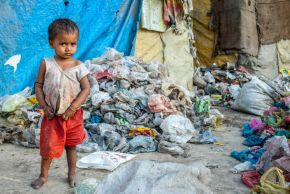
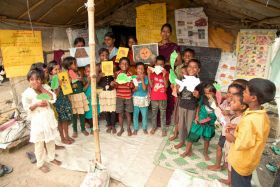
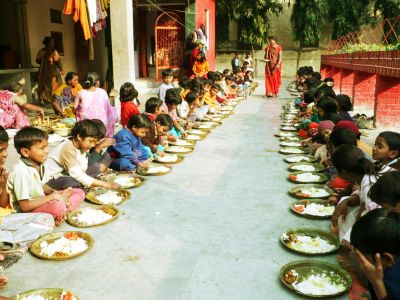
Schnell ist auch klar, dass neben der medizinischen Hilfe echte Zukunftsperspektiven für die Menschen wichtig sind. Den Kindern der Leprakranken mangelt es an Bildung. Außerdem leben fast alle auf der Straße. 2003 eröffnet Back to Life das erste Kinderheim für 40 Kinder von Leprabetroffenen. Später kommen noch zwei weitere Heime dazu. Die Leprapatienten beenden ihre Therapie und einem Drittel von ihnen gelingt es durch Einkommensförderung, sich wieder in ihren Dörfern oder in Leprakolonien anzusiedeln. Andere bleiben auf der Straße mit der Bettlergemeinschaft. Es folgen verschiedene Projekte, darunter ein großes Programm zu Frauen- und Kinderrechten, mit dem in einem Zeitraum von 5 Jahren über 150.000 Menschen erreicht werden. 2015 studieren sogar einige der Kinderheim-Schützlinge, andere wählen technische oder handwerkliche Berufsausbildungen. Wir beenden unsere Projekte in Indien im Jahr 2017, um uns voll und ganz auf Nepal zu konzentrieren. Die Not und Armut in unseren Projektgebieten sind dort noch größer und das Erdbeben in 2015 verschärft die Situation der Menschen im ganzen Land.
2008, 2009
Erweiterung der Projekte nach Nepal:
Der Berg ruft
Der Berg ruft
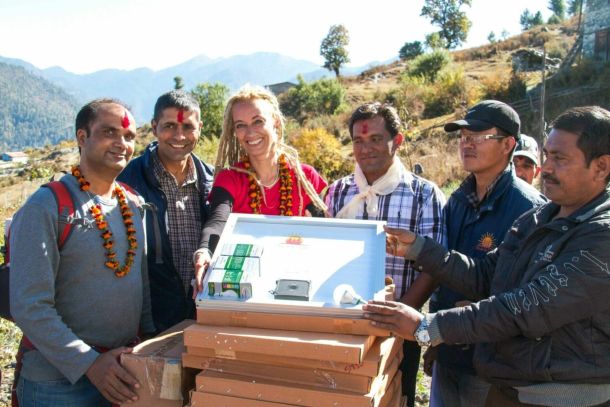
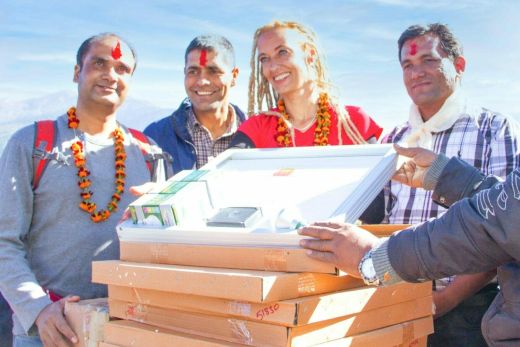
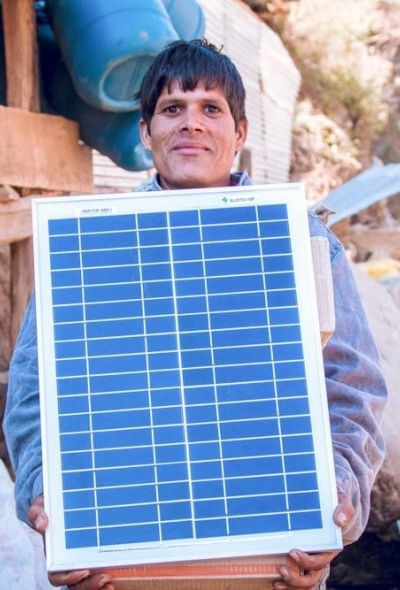
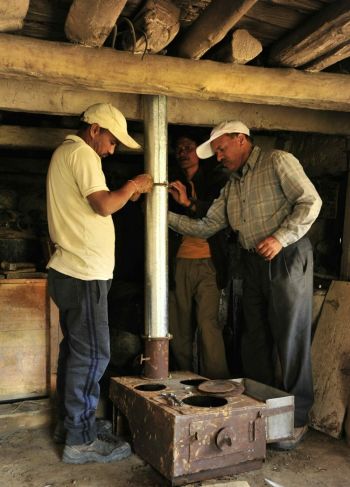
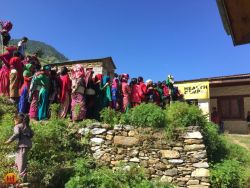
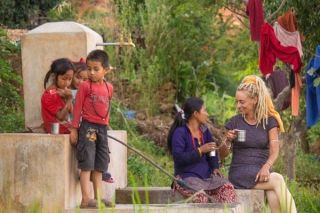
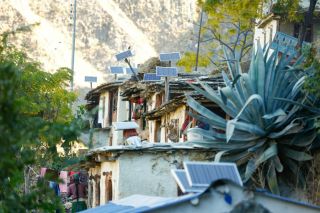
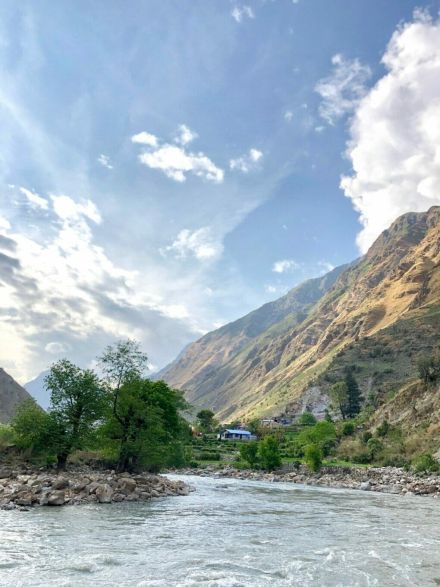
Im Jahr 2008 beschließt Stella, die Aktivitäten nach Nepal auszuweiten. Von dem kleinen Himalaya Land wird selten in den Medien berichtet, obwohl es zu den ärmsten der Welt zählt. Das Team von Back to Life reist 2009 zum ersten Mal nach Mugu in die Provinz Karnali. Mugu liegt im Hochgebirge an der Grenze zu Tibet und ist damals vom Rest des Landes noch abgeschnitten. Viele Dörfer sind bis heute nur zu Fuß zu erreichen, die Randgebiete über abenteuerliche Bergstraßen. Damals herrschen mittelalterliche Verhältnisse. Es gibt keinen Strom, kein fließendes Wasser und keine medizinische Versorgung, keine sanitären Anlagen. Wir entscheiden uns, dort, wo sonst keine Hilfe ankommt, den Menschen „Hilfe zur Selbsthilfe“ anzubieten und beginnen damit, sie mit Einkommensförderung, Solarzellen auf dem Dach und rauchfreien Öfen zu unterstützen.
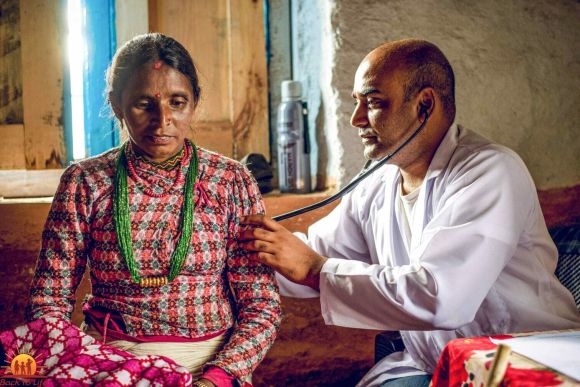
Wir bringen Ärzte für Health Camps in die abgelegenen Gebiete und bauen sanitäre Anlagen. Stella hat eine klare Vision: eines Tages sollen in diesen Dörfern alle in Würde leben und Kinder gesund und sicher aufwachsen können. In Nepal wird die Internationale NGO Back to Life registriert, mit Dikendra Dhakal als Programmdirektor und Achyut Paudel als Finanzdirektor. Das Team vor Ort besteht ausschließlich aus Einheimischen.
2010
Indigene Völker im Tiefland sind auch vergessen
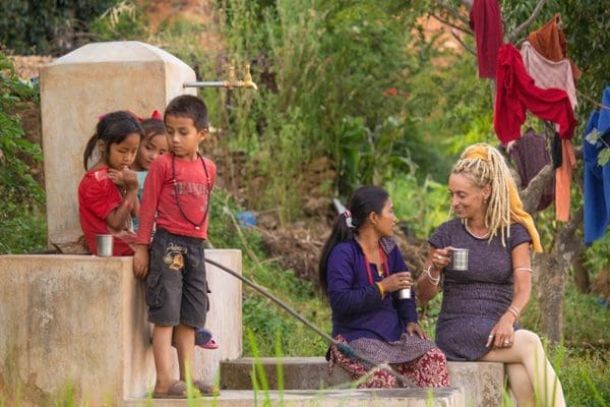
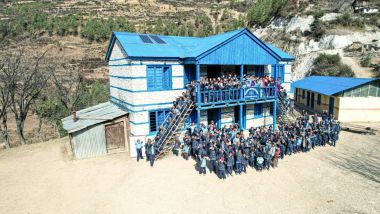
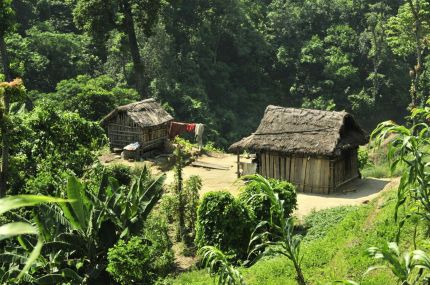
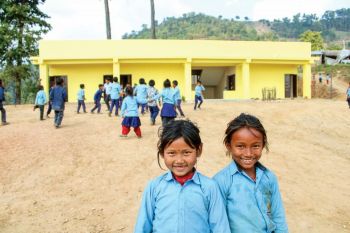
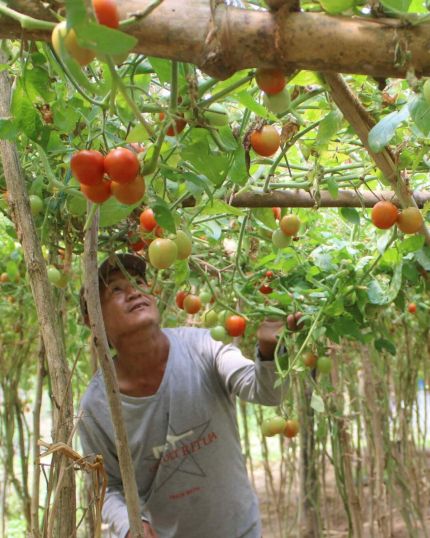
Back to Life wird 2010 auch auf indigene Völker im südlichen Nepal aufmerksam, die als Minderheit in der Bevölkerung verarmt und ausgegrenzt sind. Insbesondere die Chepang als ursprüngliches Nomadenvolk und Waldbewohner haben kaum Zugang zu Bildung und Fortschritt. So starten wir weitere Projekte im Distrikt Chitwan im Terai. Für die Kinder in beiden Projektgebieten richten wir ein Patenschaftsprogramm ein, um deren Schulbesuch zu sichern. Wir verbessern die schulische Infrastruktur durch neue und vollausgestattete Gebäude und bilden Lehrer weiter. Die Erwachsenen lernen, wie sie ihren Ackerbau verbessern können und Kleinbetriebe ins Leben rufen. 2014 realisiert Back to Life in Chitwan das erste Wasserprojekt, wenig später ein weiteres im Erdbebengebiet. Die Sicherung des Trinkwassers, vor allem im Hochgebirge von Mugu, wird mit den Jahren zu einem weiteren Fokus von Back to Life.
2010, 2012
Nie wieder Kuhstallgeburten
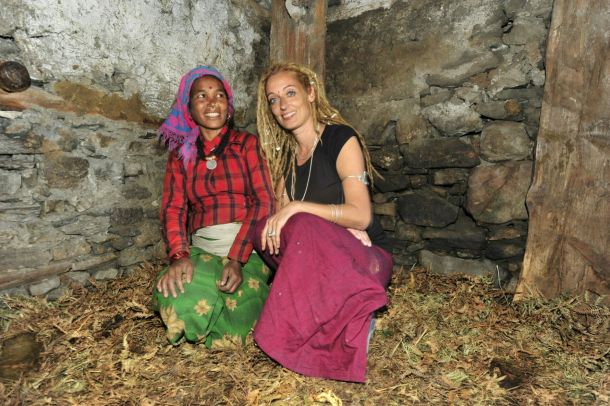
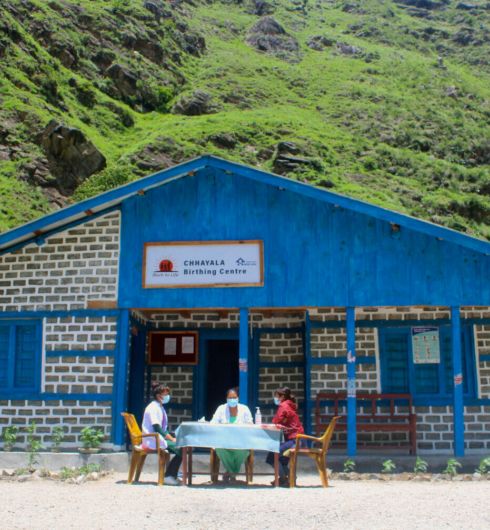
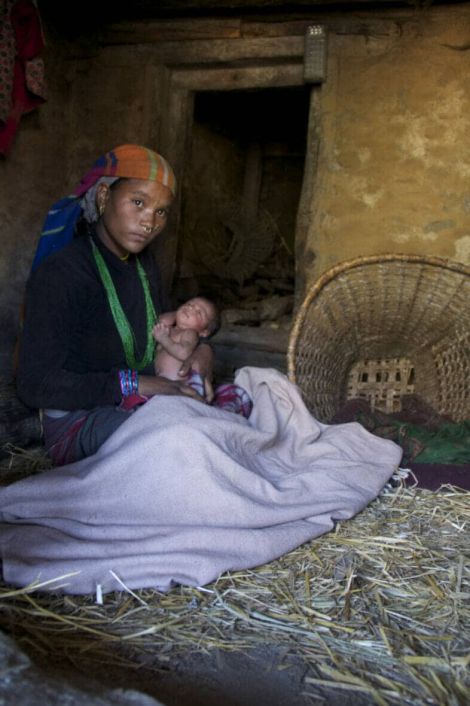
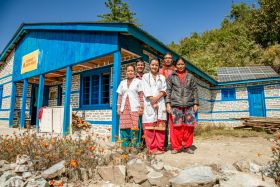
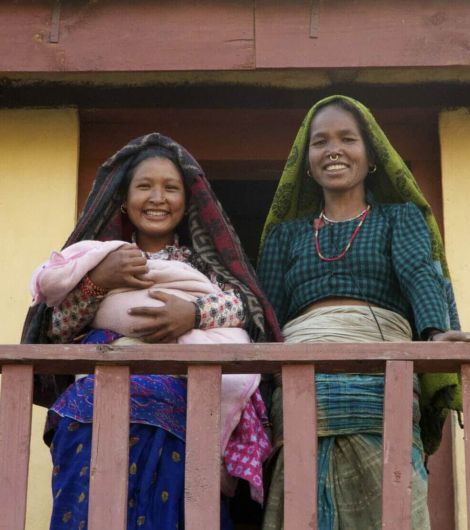
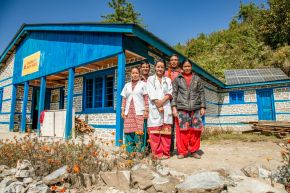
Zurück in Mugu. Nach einem Jahr Projektaktivitäten fühlen die Menschen im Hochgebirge bereits 2010 eine deutliche Verbesserung ihrer Lebenssituation. Durch Solarzellen auf dem Dach kommt Licht in ihre dunklen Steinhäuser und die Öfen, die wir verteilen, verbannen den gesundheitsschädlichen Rauch. Sie haben spürbar neue Hoffnung gefasst. Dann passiert etwas Unglaubliches. Im Gespräch mit Sushila, einer Mutter von vier Kindern aus dem Dorf Loharbada, erfährt Stella, dass in Mugu noch die strenge Auslegung der „Chhaupadi“-Tradition praktiziert wird. Aus Angst vor dem Zorn der Geister, sind Frauen dazu gezwungen, während der Menstruation und der Geburten das Haus zu verlassen. Sie müssen ihre Kinder im Kuhstall gebären. Sushila, die Stella alles ganz offen berichtet, nimmt sie sogar mit in den Stall. Zwischen Kuhmist und Schmeißfliegen in halber Dunkelheit unterhalten sich die beiden Frauen über die schwere Bürde der Mütter im Himalaya. Stella beschließt in diesem Moment, dass Back to Life etwas tun muss. Daraufhin entsteht die Idee der Geburtshäuser, die zum Glück auch von der Dorfgemeinschaft und den Schamanen, den Hütern von Chhaupadi, mitgetragen wird. Der Bau des ersten Geburtshauses wird 2012 abgeschlossen. „Die Einweihung und dann vor allem die erste sichere, geglückte Geburt in Loharbada war einer der glücklichsten Momente in meinem Leben“, erzählt Stella. Heute gibt es bereits 15 Back to Life Geburtshäuser im Hochgebirge, in denen über 2.400 Babys zur Welt gekommen sind.
2015
Eine Naturkatastrophe, die zusammenschweißt
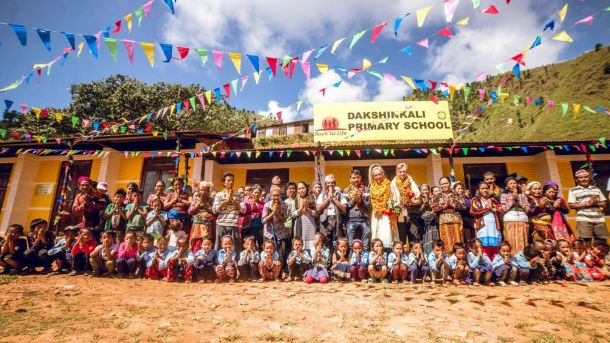
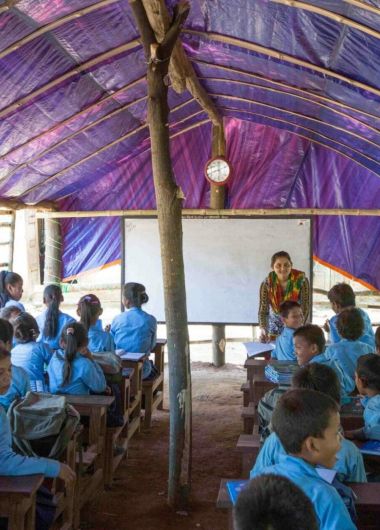
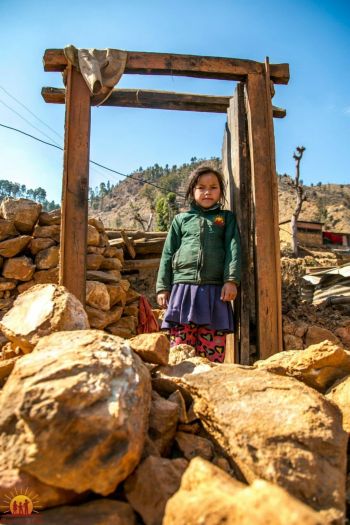
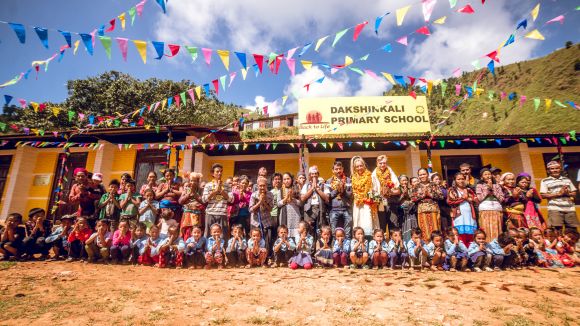
Zwei schwere Erdbeben, am 25. April und 12. Mai 2015, fordern das Leben von 8.700 Menschen, 25.000 werden verletzt. Weit mehr Familien jedoch verlieren ihre Häuser und unzählige öffentliche Gebäude und Schulen stürzen ein. Das Team von Back to Life in Nepal beweist einen starken Einsatzwillen und leistet Soforthilfe in einer der am stärksten betroffenen Regionen, im Distrikt Nuwakot, wo wir bis dahin keine Projekte haben. Wir verteilen Überlebenspakete, helfen mit medizinischer Versorgung durch Health Camps und tragen durch die Verteilung von Saatgut zur Einkommenssicherung bei. 30.000 Klassenräume sind durch die Beben zerstört. 1 Million Kinder hat keinen Zugang zur Schule mehr. Deshalb legt Back to Life den Fokus auf den Wiederaufbau von 10 Schulgebäuden. Die Stärke der Nepalesen beim Wiederaufbau mit wenig Mitteln ist beeindruckend, ebenso die Leistungen unseres Teams.
2019
Ausgezeichnet – Engagement für die Umwelt
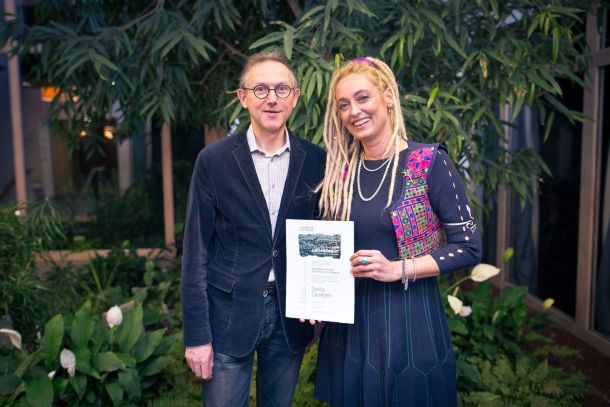
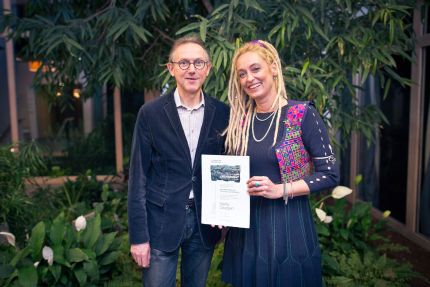
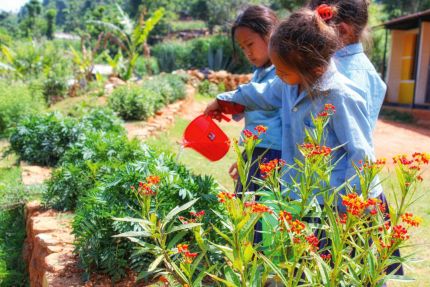
Als Stella 2019 als erste deutsche Frau den „Grand Prix International Trophée de femmes 2019“ der Umweltstiftung Fondation Yves Rocher erhält, wird uns erst richtig bewusst, wie bedeutend das Engagement von Back to Life in diesem Bereich mittlerweile ist. Ebenso wie unsere Organisation, sind unsere Projekte im Bereich Umwelt „natürlich gewachsen“, denn Mensch und Natur gehören zusammen. Unser Umweltengagement ist eng mit dem im Bereich Gesundheit, Bildung und Einkommensförderung verwoben. Rauchfreie, energieeffziente Öfen verbrauchen 50% weniger Holz, schonen die Abholzung der Wälder, aber sorgen auch für ein gesundes Zuhause und reduzieren Krankheiten. Solarlicht ermöglicht es Kindern, auch abends für die Schule zu lernen und Erwachsenen z.B. einen Laden zu betreiben, der nach Einbruch der Dunkelheit geöffnet ist. In unseren Schulen machen wir Umweltschutz und Recycling zum Thema, legen mit den Kindern Schulgärten an und führen Müll-Sammel-Aktionen durch. Unsere Schulungen in Landwirtschaft basieren auf ökologischen Methoden. Alles geht Hand in Hand.
2022
Ein Blick in die Zukunft:
Back to Life Stiftung
Back to Life Stiftung
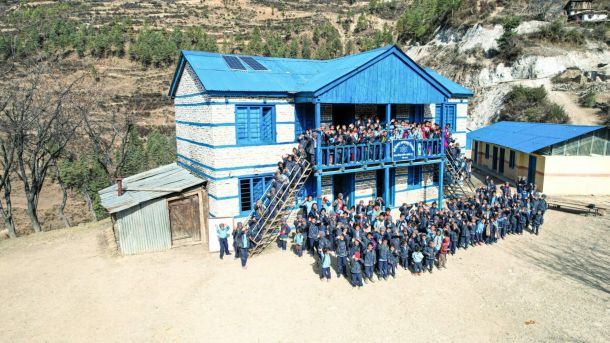
Jedes Geburtshaus ist wie ein Leuchtturm mit einer immensen Strahlkraft. Dasselbe gilt für jedes Mädchen, das in Nepal ihr Abitur ablegt, sie ist ein leuchtendes Beispiel für viele andere. Unsere Erfolge sind der Boden, auf dem wir weiterwachsen können. Es ist uns ein großes Anliegen, dass alles, was Back to Life aufgebaut hat, dauerhaft besteht. Die Schulgebäude, Geburtshäuser oder Wassersysteme sollen stets kindgerecht, sicher und funktionsfähig bleiben. Je mehr wir aufbauen, umso mehr müssen wir auch erhalten. Deshalb hat Stella 2020 die Back to Life Stiftung ins Leben gerufen. Hier können Sie dazu beitragen, diese wichtigen Projekte auch in Zukunft zu sichern, indem Sie zielgerichtet für deren Erhalt spenden. Bitte sprechen Sie uns an.